
Go back

Collecting Google Reviews in 2026: What’s Allowed and What’s Not?

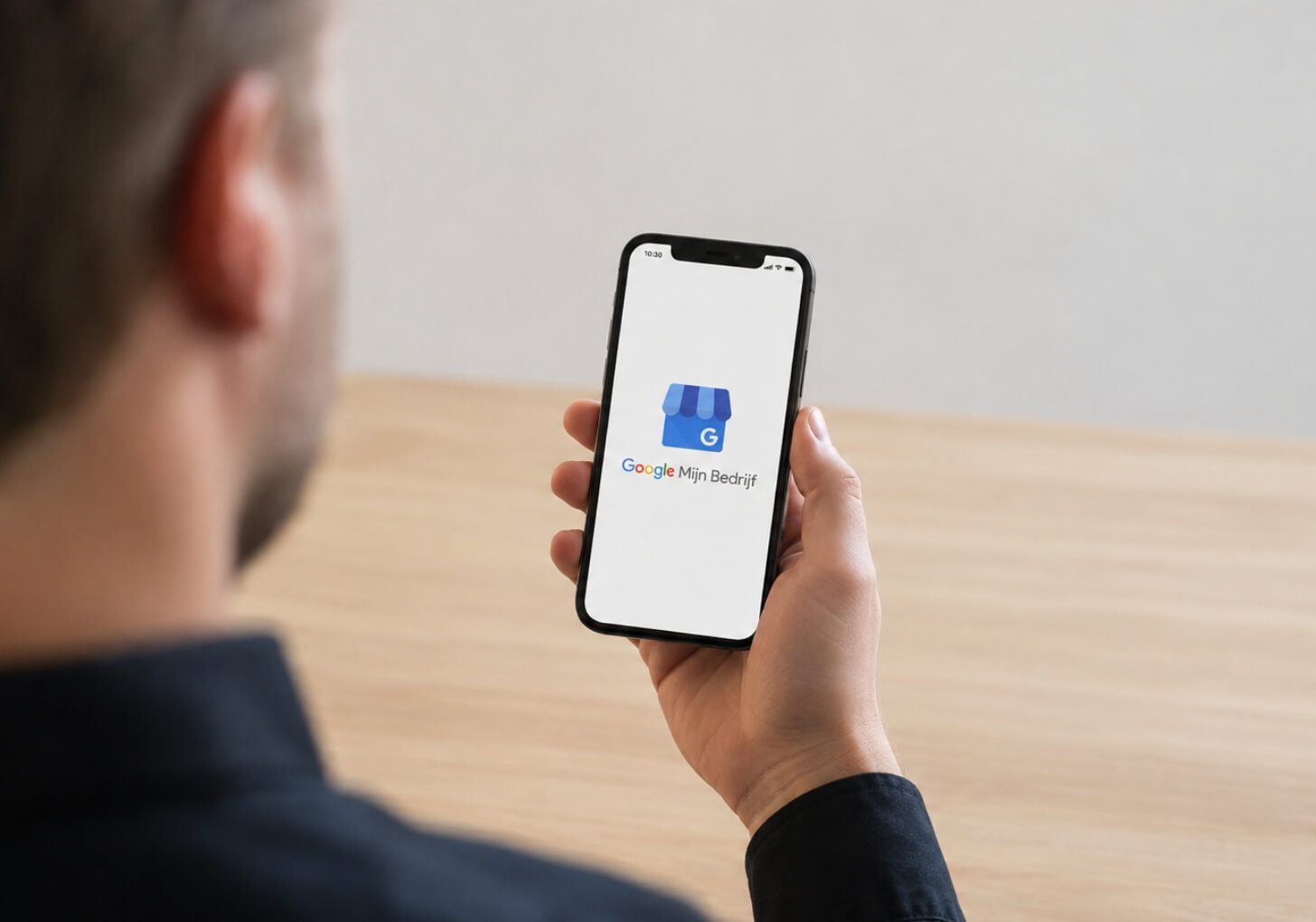
Google reviews verzamelen in 2026 Iphone

Getting more Google reviews is a priority for many Dutch business owners. And for good reason: reviews can influence whether someone chooses your business or a competitor just down the road. But in 2026, there are clear rules about how you can collect them. Rules that are still regularly broken here in the Netherlands, sometimes without businesses even realising it.

In this article, we explain what is and isn’t allowed, what’s changed recently, and how to encourage a steady flow of reviews in a smart and effective way.

What Changed in April 2026?

On 17 April 2026, Google updated its review policy. The changes might seem small, but they affect everyday practices at many businesses.

Ban on Review Targets for Employees

Setting employees targets for the number of reviews they collect is now officially prohibited. No monthly quotas, no internal competitions and no bonuses for each review collected. The reason is simple: targets create pressure, and pressure can lead to reviews that aren’t given voluntarily, which is exactly what Google wants to prevent.

Ban on Influencing Review Content

You cannot ask customers to include specific information in their reviews. Google explicitly mentions this, including asking customers to name a particular employee.

“Just mention that Marieke provided great service” might sound harmless, but it now violates Google’s policy. The reason? If ten reviews in a row mention the same name, Google’s system may recognise this as a pattern of influencing review content, even if every review was written by a genuine customer.

Google has also tightened an existing rule concerning social pressure. An employee who pressures a customer to write a review on the spot is violating the policy. This specifically concerns direct, personal pressure rather than simply displaying a review card or sign.

What Was Already Prohibited?

The new rules build on an already extensive policy. However, in practice, we still regularly see the following activities among Dutch businesses:

Offering Incentives in Exchange for Reviews

A discount, a free product or a drink — it doesn’t matter how small the reward is. As soon as something is offered in exchange for a review, it violates Google’s policy. This also applies to offering incentives for changing or removing a negative review.

Only Asking Satisfied Customers for Reviews

This is known as review gating and is explicitly prohibited under Google’s policy. Directing dissatisfied customers to an internal feedback form while sending satisfied customers to Google might sound like clever risk management, but Google considers it selectively soliciting positive reviews.

Reviews from People Connected to Your Business

Employees, family members and business partners are not allowed to post reviews about your business. Has your mother-in-law never actually used your services? Then her five-star review violates Google’s policy, and Google is becoming increasingly effective at identifying such reviews.

Automated or Fake Reviews

Reviews generated through software, posted using multiple accounts belonging to the same person, or purchased from services offering reviews are all prohibited and increasingly easy to detect.

It’s important to understand that these aren’t just Google’s rules. Since May 2022, the European Omnibus Directive has been in effect in the Netherlands. Posting or facilitating fake reviews is therefore also prohibited by law. The Netherlands Authority for Consumers and Markets (ACM) enforces these rules and can impose fines of up to 4% of annual turnover.

What Happens If You Break the Rules?

The risks are greater than many business owners realise. If Google detects a policy violation, it may:

  • Remove reviews, sometimes dozens at once during a single filtering process
  • Temporarily prevent new reviews from being posted on your profile
  • Temporarily hide existing reviews
  • Display a public warning on your profile, visible to anyone searching for your business

The last consequence can be particularly damaging. A warning stating that fake reviews have been removed can immediately undermine the trust of potential customers.

You can appeal Google’s decision, but it may be difficult to support your case if you haven’t kept your own records. That’s why it’s worth regularly saving your reviews, including the date, review text and account name, so you have something to refer back to if questions arise later.

How Does Google Actually Detect This?

A question many business owners ask is: does Google really notice? The answer is increasingly yes, and faster than ever. Google now uses AI to identify suspicious patterns in reviews. It’s not just about individual reviews, but the bigger picture. Here are some of the signals Google’s systems look for:

Unnatural Spikes in Reviews

A business that normally receives two reviews a month and suddenly gets twelve in one week is likely to attract attention. Especially if that spike occurs towards the end of the month, which can be a typical consequence of employee review targets.

Repeated Names or Phrases

If ten reviews in a row mention the same employee’s name or use remarkably similar wording, Google may recognise this as a pattern of influencing reviews, even if every customer wrote their review themselves.

Accounts with No History

Reviews from accounts with little or no activity on Google Maps, no previous reviews, no photos and no other contributions may carry less weight and are more likely to be filtered out.

Location and Network Data

Through its own services, such as Maps, Android and Google Pay, Google has access to more location data than most people realise. Multiple reviews posted within a short period from the same IP address or the same location as the business can be a red flag, particularly if the pattern keeps repeating.

It’s important to remember that Google’s systems aren’t infallible. Even completely genuine reviews can sometimes get caught in a filtering process simply because they happen to match a suspicious pattern. That’s another reason to regularly save your reviews, including the date, review text and account name, so you have something to refer back to if you need to appeal a decision.

It’s Not About the Timing, It’s About the Approach

This is where a lot of confusion arises in practice. Google wants to prevent social pressure: situations where customers feel obliged to write something positive on the spot because they’re standing face to face with an employee. That’s the issue. Not the timing itself, not the location, and certainly not the tool being used.

Imagine a gardener who has just finished a job. After showing the customer around and explaining what’s been done, they politely ask, “If you’re happy with the work, would you mind leaving us a review?” while holding out a Google review card. That’s not pressure. It’s a genuine request after completing a job, at a moment when the experience is still fresh in the customer’s mind. The customer simply taps their phone against the card, the review page opens, and they decide for themselves whether to leave a review and what to write. No obligation, no influence.

What Google is trying to prevent is situations where customers don’t feel comfortable saying no, or where they’re told what to include in their review. That’s very different from making a professional, friendly request at the right moment.

So What Are You Allowed to Do?

Google is clear about this: you can ask customers to leave a review based on a genuine experience, as long as you don’t offer incentives or try to influence the content or rating. In fact, Google actively encourages businesses to collect reviews. Its official Google Business Profile support page explicitly states that you can remind customers to leave a review using a direct link or QR code.

So Google doesn’t want businesses to stop collecting reviews. It simply wants them to do it properly. That’s an important distinction.

Timing Is Everything

Sending a message or email a few hours after an appointment, delivery or completed job can work well. The experience is still fresh, but the customer is no longer standing in front of you. They can decide for themselves whether and when to write a review. This often results in more thoughtful, detailed feedback than a quickly written review on the spot.

Make It Part of Your Routine

Ask for reviews after every appointment, not just when your ratings have dipped or a competitor has overtaken you. A steady, consistent flow of reviews looks much more natural to Google than sudden spikes. Over the course of a year, it can also generate significantly more reviews than occasional campaigns.

Ask Every Customer

Don’t selectively approach customers you think are satisfied. That’s review gating, and it can also backfire. A profile with nothing but five-star reviews may raise suspicion rather than build trust. A mixture of four- and five-star ratings, with the occasional three-star review, often feels more authentic.

Keep Your Request Neutral

“How was your experience?” or “We’d appreciate it if you could leave us a quick review” is more than enough. Don’t suggest a star rating, influence what customers should write or ask them to mention specific employees.

Respond to Reviews, Including Negative Ones

Responding to reviews shows customers that you care about their feedback. If you receive a negative review, start a conversation and offer a solution, but never offer anything in exchange for changing the review. A thoughtful response to criticism can often convince potential customers more effectively than ten five-star reviews with no replies.

We’ve also written an entertaining blog featuring some painfully bad responses to unhappy customers, showing exactly what not to do.

Conclusion

Google’s review policy is becoming increasingly strict, but for businesses that collect reviews honestly, very little has fundamentally changed. Genuine experiences, honest requests and the right timing: that’s what Google wants, and it’s also what delivers the best results for your business.

The smarter question isn’t how to get more reviews, but how to make it as easy as possible for customers to leave one. A good Google review card or review display makes a big difference: simple, consistent and fully compliant with Google’s rules.